
WEBINAR
Making rural electrification work for women and girls
delivering dignity, rights and inclusive development
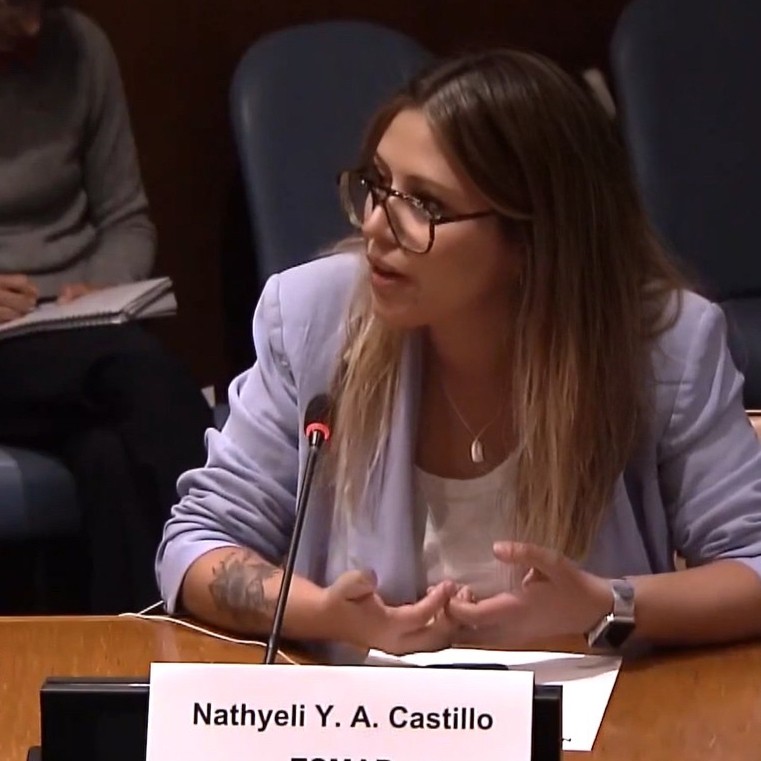
Nathyeli Acuna Castillo
Energy Sector Management Assistance Program (ESMAP)
The World Bank


Efua Nyamekye Appiah
Energy and Just Transition Coordinator
Green Africa Youth Organization (GAYO)

Cristina Galan
Content & Event Manager [Moderator]
ATA Insights

Energy poverty affects whole communities, but women and men often experience its impacts differently. In many rural African contexts, women carry a disproportionate share of unpaid domestic and care work. Without electricity and clean cooking options, everyday tasks take longer and can harm health. This can also limit time for leisure education, paid work, enterprise.
Electrification can change this, but connections alone do not guarantee meaningful change for women and girls, as electrification initiatives are often gender blind. Programme design choices such as affordability, access to appliances and productive-use equipment, targeted outreach and training, and the availability of clean cooking options often determine who is able to use energy safely and productively.
Just as importantly, women should not be treated as passive end users. Making energy access work for women and girls also means ensuring they are represented throughout programmes, including in consultation, planning, governance, execution, and decision-making. When women’s priorities shape decisions, electrification is more likely to support dignity, safety, livelihoods and equal opportunity. The benefits go beyond electrification. Empowering women, an objective in its own right, is strongly correlated with better development outcomes, including reduced poverty, higher farm yields and higher household welfare.
This session is designed for donors and policymakers working on rural electrification, clean cooking, and inclusive development in Africa.
Join this free webinar to explore practical lessons and evidence on how to make rural electrification more inclusive.
You will take away:
- Insights on how women use energy in rural Africa, and which productive uses can deliver the greatest improvements in daily life for women and girls
- Practical measures to help women turn access into real improvements, including appliance access and finance, productive-use support, and targeted training and outreach
- Approaches to ensure women are represented at all levels of energy access programmes, particularly in decision-making
Fill in the form to secure your seat. You will receive a confirmation email. We look forward to welcoming you to this webinar.
***
About RePower:
RePower is an ambitious four-year project funded by the European Commission, pioneering the use of plug-and-play microgrids in Africa.
Funded by the European Union under grant number 101096250. Views and opinions expressed are however those of the author(s) only and do not necessarily reflect those of the European Union or CINEA. Neither the European Union nor the granting authority can be held responsible for them.
Fill in the form
to register